















Short answer: you need two things, and they're often confused. An attribution tool such as Triple Whale or Northbeam shows which products and channels are profitable. A feed-level prioritization tool such as Feedance takes daily product performance and writes it into the Google, Meta and TikTok feeds, so campaigns actually spend more on profitable products and less on the rest. The first tells you what to do. The second makes it happen in your catalog campaigns without manual changes. If you can only pick one and your problem is "the right products aren't getting the budget," start with the feed.
Why reports alone don't move budget to profitable products
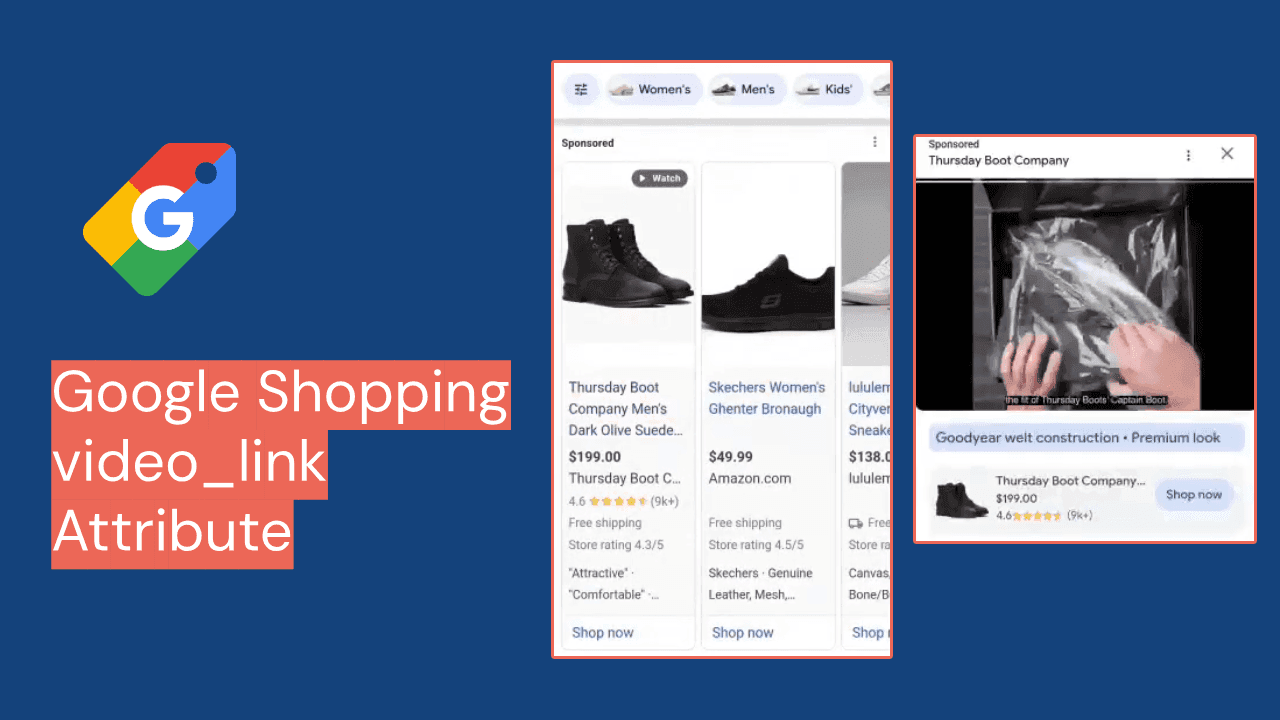
Catalog campaigns (Google Shopping, Performance Max, Meta Advantage+ catalog ads, TikTok catalog ads) choose which product to show from the feed you send. You can't tell Performance Max "spend more on SKU 1042" in a report. You can only change which products are in which campaign, listing group or product set, and that is controlled by fields in the feed.
So even when an attribution dashboard shows which products are profitable, someone still has to turn that into labels, product sets and exclusions. If that happens monthly by hand, budget lags behind performance.
What each type of tool does
| Attribution and analytics (e.g. Triple Whale, Northbeam) | Feed-level prioritization (e.g. Feedance) | |
|---|---|---|
| Main question | Which channels, campaigns and products drive revenue and profit? | Which products should each campaign advertise right now? |
| Data | Own pixel and ad platform data; multi-touch attribution models | Product-level views, add-to-carts and purchases from GA4, plus stock, size and competitor price data |
| Output | Dashboards and reports | Fields and custom labels in each channel feed |
| Effect on catalog campaigns | Indirect: someone acts on the report | Direct: listing groups and product sets update with the feed |
| Typical buyer | Growth and finance teams measuring channel ROI | Performance marketers running catalog campaigns |
Attribution tools
Triple Whale is mainly used by Shopify brands. It combines a first-party pixel, multi-touch attribution and Product Analytics with product, variant and SKU views. Its pricing is tied to gross merchandise value, and Product Analytics isn't included on every plan. Northbeam offers multi-touch attribution, media mix modeling and a Product Analytics dashboard that shows how ads perform for the products they sell. Its documentation suggests reviewing that dashboard monthly. Both are strong at measurement and work across Google, Meta and TikTok.
Feed-level prioritization
Feedance scores every product and writes the result into the feed. Product Score (0–100) uses the last 1 day (what's moving now), 7 days (trend) and 30 days (baseline) of GA4 data, with purchases weighted more than views. 4T Segmentation labels each product Top, Tolerable, Tranquil or Toxic. Both are recalculated on every feed sync, which can be every 30 minutes to weekly depending on plan, or every 15 minutes from a delta feed. The fields (product_score, score_band, segment_4t, and custom labels such as custom_label_0 = score_high) go to Google, Meta, TikTok and 200+ other channels. Feedance doesn't manage bids or budgets.
How to prioritize profitable products across Google, Meta and TikTok
- Add margin to the feed. Performance data shows what sells; margin shows what earns. For Google, submit
cost_of_goods_soldso profit reporting works. Our COGS playbook explains how. For all channels, a margin tier in a custom label (high, medium, low) lets you split campaigns by margin. - Score products on daily performance. Use a score that includes a short window (last day) and a longer baseline, so you react to changes without overreacting to one quiet day.
- Split campaigns by score and margin.
- Google Shopping and Performance Max: split listing groups or asset groups by custom label, such as high-score and high-margin products in their own campaign with their own target.
- Meta and TikTok: build product sets from the score band, then run them as separate ad sets or use them as catalog filters.
- Exclude what doesn't earn. Take Toxic products, broken size runs and products you can't compete on out of prospecting. See our guide to cutting spend on products that don't sell.
- Check results with your attribution tool. Use Triple Whale, Northbeam or GA4 to confirm the split is improving profit, not just platform-reported ROAS. Adjust thresholds monthly.
Example setup
Illustrative only:
| Group | Feed condition | Meta / TikTok | |
|---|---|---|---|
| Scale | score_band = high and margin high or medium | Own PMax campaign, higher ROAS target | Own prospecting product set |
| Grow | segment_4t = Tolerable | Separate campaign to give it reach | Separate product set with test budget |
| Maintain | score_band = medium or low | Main campaign | Broad product set |
| Exclude from prospecting | segment_4t = Toxic or broken_size = true | Excluded from listing groups | Excluded from prospecting set, kept in retargeting |
When you need both
- Attribution only: you'll know which products are profitable, but your catalog campaigns won't change until someone updates them.
- Feed prioritization only: campaigns update daily, but you're relying on GA4 and platform data to judge profit. That's enough for many teams, especially with margin labels in the feed.
- Both: the feed handles daily product decisions, and the attribution tool checks whether channel and product profit is actually improving.
FAQ
What platform should I use to prioritize profitable products across Google, Meta and TikTok?
Use a feed platform that writes daily product performance and margin labels into each channel's feed, such as Feedance, so campaigns update automatically. Add an attribution tool such as Triple Whale or Northbeam if you need cross-channel profit measurement.
Is Triple Whale or Northbeam enough on its own?
They're strong for measurement, but catalog campaigns are controlled by the feed. Without labels and product sets based on that data, the insight doesn't change which products get budget.
How often should product priorities update?
Daily is a good default for most catalogs. Feedance recalculates Product Score on every sync and uses 1-, 7- and 30-day windows, so daily changes are visible without reacting to noise.
Do I need margin data?
For true profit-based prioritization, yes. Performance data alone favors products that sell, which may not be the ones that earn the most. A margin tier in a custom label is the simplest way to add it.
Put your profitable products first
Book a demo to see Product Score and 4T Segmentation on your catalog, and how they map to your Google, Meta and TikTok campaigns.
Sources

Co-founder of Feedance, where he leverages his background as a computer engineer and marketer to drive analytical insights. With a strong focus on transforming data into actionable strategies, he is dedicated to helping brands achieve significant growth in the digital landscape.
LinkedIn