

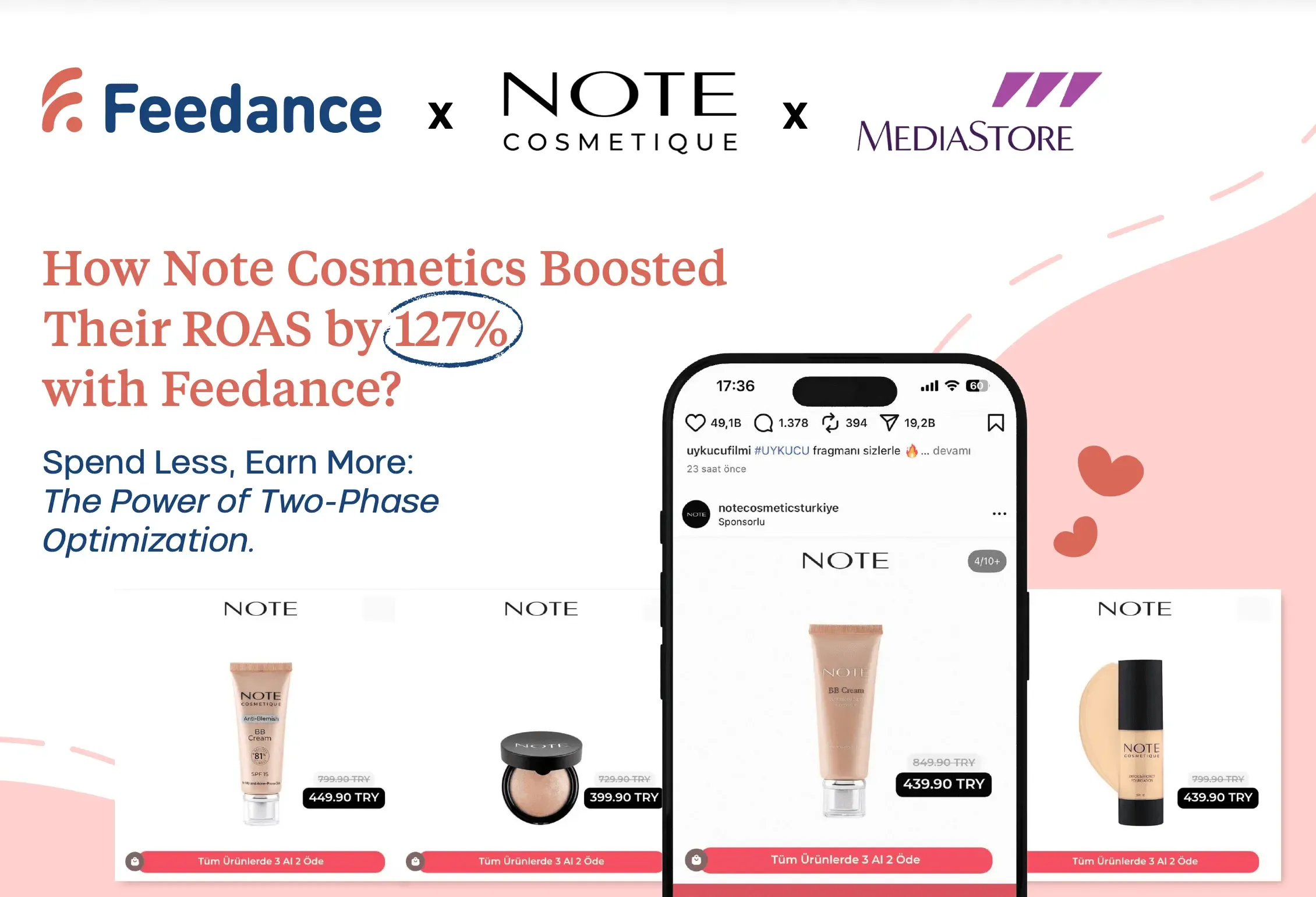
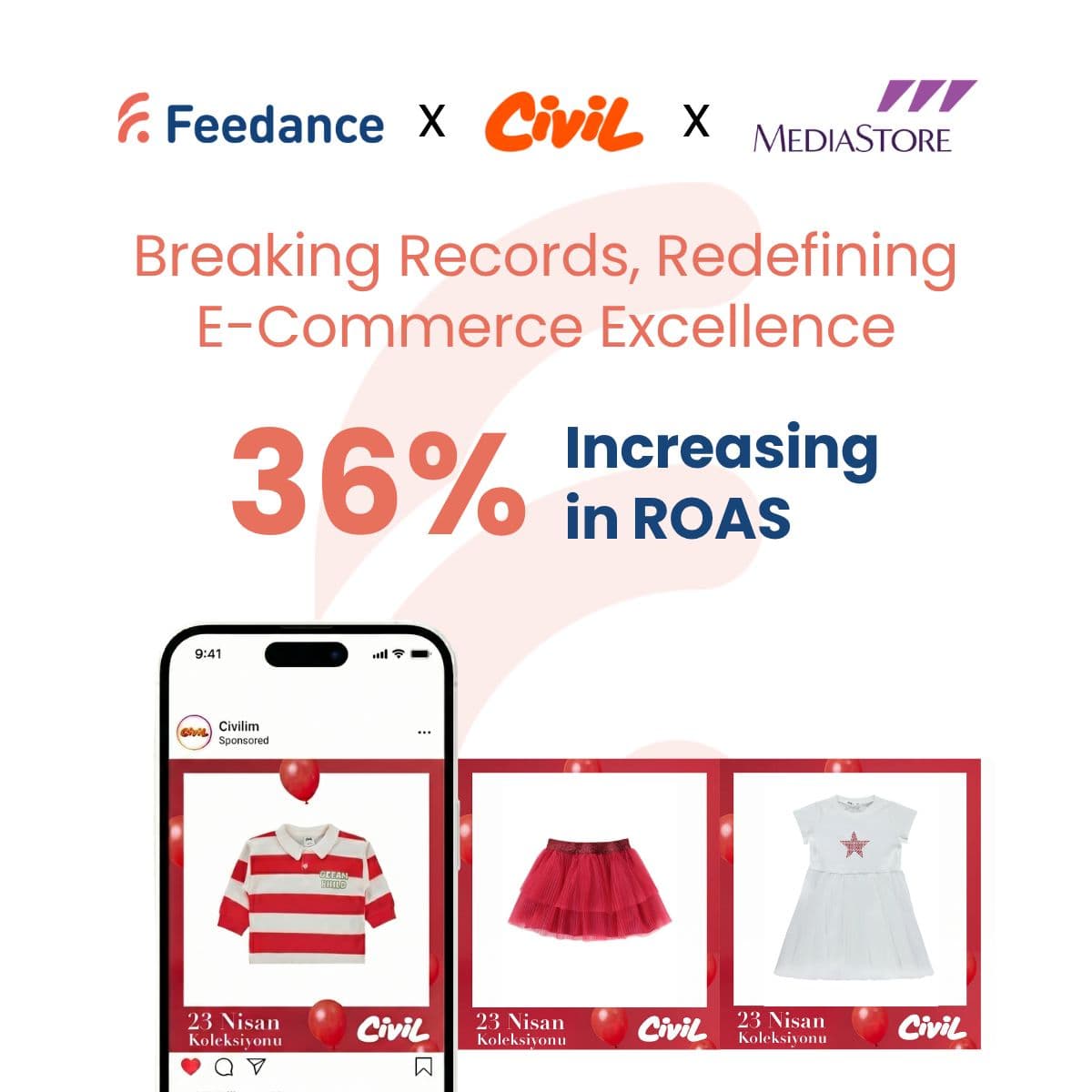


The Feedance AI features is rolling out.
Check it out!

What is Shoplazza?

Shoplazza

Shoplazza is a SaaS store-building platform for cross-border and direct-to-consumer merchants, offering a no-code website builder alongside payments, marketing, and fulfillment tooling. It has grown into one of the leading cross-border e-commerce SaaS platforms based in China, reporting more than 650,000 sellers and merchants serving customers across Asia Pacific, Europe, and North America.

Functionally, Shoplazza is often compared to Shopify: stores are built on hosted themes, apps extend functionality through an app store, and an Admin REST API lets external tools like Feedance read and update store data such as products, inventory, and orders under OAuth-based authentication.

Why connect Shoplazza to Feedance?

Shoplazza merchants selling across multiple markets and marketplaces need their product catalog, stock levels, and order status to stay accurate everywhere they sell. Feedance connects to your Shoplazza store to keep product, inventory, and order data flowing into your feeds without manual exports or spreadsheet juggling, reducing the risk of overselling or listing stale prices and stock.

Because cross-border sellers frequently run the same catalog across ad channels, marketplaces, and price comparison sites, having one connected source of truth for product data cuts down the busywork of updating each destination separately.

How does Feedance connect to Shoplazza?

Feedance connects directly to your Shoplazza store using secure, authenticated API access. During setup, you authorize Feedance to read your store's data with the specific permissions needed — no theme edits, code changes, or manual file uploads required.

Once authorized, Feedance communicates with your store on a schedule to pull the latest product, inventory, and order information, then makes it available for your feeds and integrations. The connection is read-oriented for catalog data, so your store setup and checkout experience are left untouched.

What data does Feedance access from Shoplazza?

EntityWhat Feedance reads
ProductsTitles, descriptions, variants, pricing, images, and other catalog attributes used to build your feeds.
InventoryStock levels per product/variant so feeds and channels reflect current availability.
OrdersOrder details relevant to fulfillment and feed-related reporting.

Shoplazza-specific considerations worth knowing

  • Shoplazza's Admin API is versioned by release date (for example, a 2025-06 style version), and Shoplazza updates these versions on a regular cadence. This means API behavior can shift over time, and connections need to be kept current with supported versions.
  • Shoplazza has moved toward a more granular, location-aware inventory model with dedicated endpoints for inventory items, inventory levels, and locations, replacing older, simpler stock fields. Stores using multiple warehouses or fulfillment locations may see inventory represented per-location rather than as a single number.
  • Access to store data is governed by OAuth access scopes granted at authorization time, so the specific data available depends on the permissions approved for the connection.
  • Like most hosted platforms, Shoplazza's Admin API enforces request rate limits, so very large catalogs may sync in batches rather than all at once.

How to connect Shoplazza with Feedance

  1. Log in to your Feedance account and choose to add a new store connection.
  2. Select Shoplazza from the list of supported platforms.
  3. Enter your Shoplazza store domain when prompted.
  4. You'll be redirected to Shoplazza to review and authorize the requested permissions; log in and approve the connection.
  5. Once authorized, you're returned to Feedance, where your store connection is confirmed and ready to power your product feeds.

How often does your Shoplazza data sync?

Feedance syncs your Shoplazza product, inventory, and order data on a regular automated schedule, so your feeds reflect recent changes without manual intervention. Sync frequency can vary based on your plan and catalog size, and you can trigger a manual sync from your Feedance dashboard whenever you need the latest data right away.

Common Shoplazza connection issues and how to fix them

IssueLikely causeFix
Connection fails during authorizationIncorrect store domain entered, or the authorizing user lacks admin permissions on the Shoplazza store.Double-check the store domain and reconnect using an account with store admin/owner access.
Products or inventory appear outdatedThe scheduled sync hasn't run yet, or the connection's access token has expired or been revoked.Trigger a manual sync in Feedance; if data still doesn't update, reauthorize the Shoplazza connection.
Some products are missing from the feedProducts are unpublished, archived, or excluded by feed rules/filters in Feedance.Confirm the product's status in Shoplazza and review your Feedance feed filters and inclusion rules.
Sync stops working after previously working fineShoplazza released an API version update, or the app authorization was disconnected from the Shoplazza side.Re-authorize the connection in Feedance; contact Feedance support if the issue persists.

Shoplazza feed optimization tips

  1. Keep product titles and descriptions complete and accurate in Shoplazza, since this data flows directly into your Feedance feeds.
  2. Use clear, high-quality product images in Shoplazza — these are pulled into feeds and directly affect how listings perform on ad and marketplace channels.
  3. Keep inventory counts current in Shoplazza so feeds don't advertise out-of-stock items or cause overselling.
  4. Organize products with consistent categories and variant structures in Shoplazza to make feed mapping and filtering more reliable.
  5. Review your Feedance feed rules periodically as your Shoplazza catalog grows, to make sure new products are picked up and correctly categorized.

Frequently Asked Questions About Shoplazza

  • How does Feedance connect to my Shoplazza store?

    Feedance connects directly to your Shoplazza store through a secure, authenticated connection. You authorize Feedance with specific permissions during setup, and Feedance then reads your product, inventory, and order data on a schedule to keep your feeds up to date. No code changes or theme edits are needed.

  • What is the most important thing to know about connecting Shoplazza?

    Shoplazza versions its Admin API by release date and updates it on a regular cadence, and it has moved to a more granular, location-aware inventory model with separate inventory items, inventory levels, and locations. If your store uses multiple warehouses, inventory may be tracked per location rather than as a single stock number, so it's worth understanding how your locations map into your feeds.

  • What data does Feedance read or update from Shoplazza?

    Feedance works with three types of data from Shoplazza: products, inventory, and orders. It reads product details like titles, variants, pricing, and images, tracks inventory levels for stock accuracy, and accesses order information relevant to fulfillment and reporting. Feedance does not access customer records, discount codes, or store settings.

  • How do I keep my Shoplazza feed current?

    Feedance automatically syncs your Shoplazza data on a regular schedule, so changes to products, inventory, and orders are picked up without manual work. If you need the latest data immediately, you can trigger a manual sync from your Feedance dashboard rather than waiting for the next scheduled run.

  • Why isn't a product from my Shoplazza store showing up in my feed?

    This is usually because the product is unpublished or archived in Shoplazza, or because it's being excluded by filters or rules set up in your Feedance feed configuration. Check the product's status in Shoplazza first, then review your feed inclusion rules in Feedance to confirm the product qualifies.

Schedule your 15-minute demo now

Schedule my demo

We’ll tailor your demo to your immediate needs and answer all your questions. Get ready to see how it works!