






The Feedance AI features is rolling out. Check it out!
How Feedance can help your revenue growth
250+ channel and platform integrations
Start optimizing with powerful integration
Wordpress compatible e-commerce integration
Start optimizing Magento very quickly
Open source e-commerce platform integration
Integrate ChatGPT Ads Catalog in seconds
Optimize Meta Catalog Ads
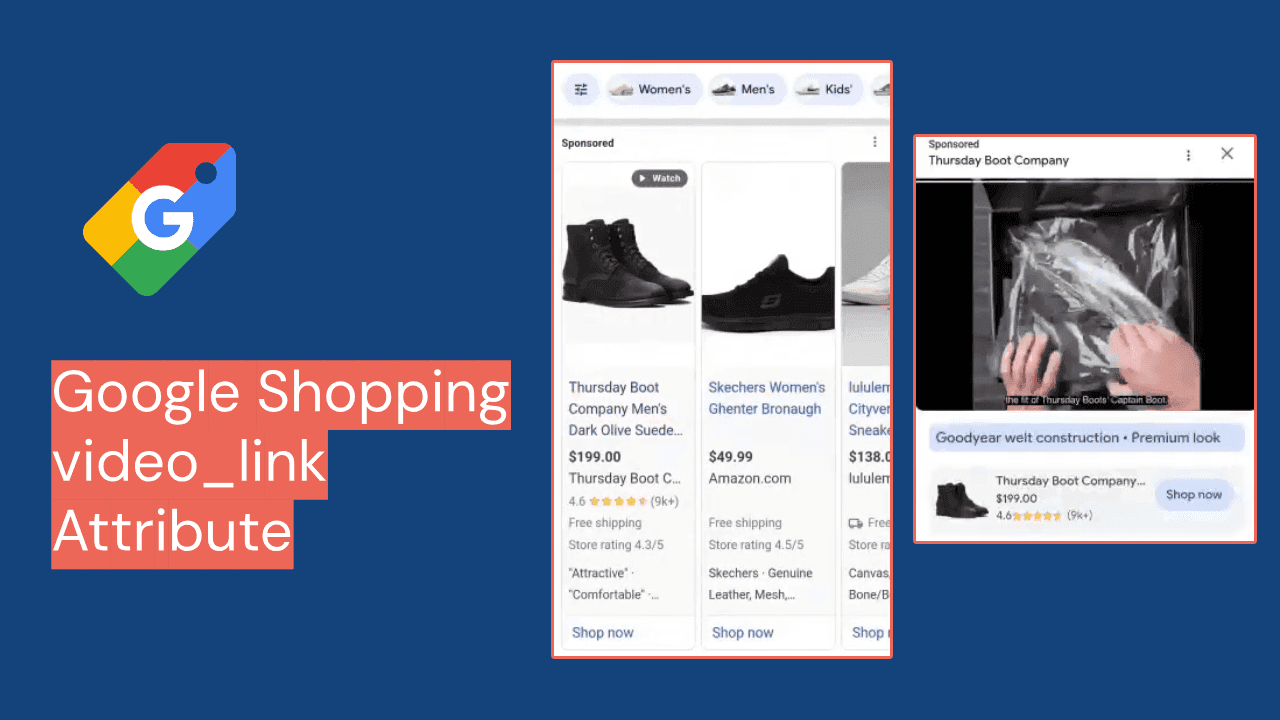
Optimize your Google Shopping visibility correctly
Optimization of TikTok Catalog Ads
Shopware is a German e-commerce platform originally founded in 2000 in Schöppingen, Germany, by brothers Stefan and Sebastian Hamann. It is built on PHP and, since Shopware 4 in 2012, has been released as open-source software under the AGPLv3 license (Community Edition), alongside commercially licensed Professional and Enterprise editions and a cloud/SaaS offering.
Shopware 6, the current generation, is a complete rewrite of the platform with a headless, API-first architecture built on the Symfony framework, a Vue.js administration interface, and a decoupled storefront. This is a significant architectural shift from the older Shopware 5, and it means store data such as products, stock, and orders can be reached through a modern REST-based Admin API rather than only through the store's back office.
Shopware stores often carry large, variant-heavy catalogs, and keeping product data, stock levels, and order information accurate across marketplaces, ad channels, and comparison shopping engines is time-consuming to do by hand. Connecting Shopware to Feedance lets you pull that catalog and inventory data into one place, transform it to match the requirements of each channel, and push updates back without manually exporting files or maintaining custom scripts.
Because Feedance works directly against your Shopware data, changes made in your store, such as a price update, a new product, or a stock adjustment, can flow through to your feeds without a separate manual export step, helping keep listings consistent with what is actually available in your store.
Feedance connects directly to your Shopware store using the credentials you provide, and communicates with your store's API to read and update the data it needs. You authorize the connection once, and Feedance then handles the ongoing communication with your store in the background.
This works the same way for both self-hosted Shopware installations and Shopware's cloud edition, as long as the store's API is reachable and the credentials you supply have the necessary permissions.
Feedance works with exactly three data entities from any connected platform, including Shopware:
Feedance syncs your Shopware data on a regular schedule to keep feeds up to date with your store, and you can also trigger a manual sync when you need changes reflected right away. Sync frequency can vary based on your plan and settings, so it is worth checking your account configuration if you need updates to appear faster.
Feedance connects directly to your Shopware store using the API credentials you provide during setup. Once you authorize the connection, Feedance communicates with your store in the background to read product, inventory, and order data and keep your feeds up to date, without you needing to manually export files.
The biggest thing to check is which version of Shopware you are running. Shopware 6 is a complete rewrite of Shopware 5 with a different architecture and API, and there is no in-place upgrade path between them, so the version affects how the connection works. It is also worth knowing that Shopware treats configurable products as a parent product with separate variant records, so catalogs with many variants will have more individual product records than what you see listed in the storefront.
Feedance works with three types of data from Shopware: products, inventory, and orders. It reads product details like titles, descriptions, prices, images, and variants to build your feeds, reads stock levels to keep availability accurate, and reads order data to support order-related needs. Feedance does not access other data such as customer records or store settings.
Feedance syncs your Shopware data on a regular schedule automatically, and you can also run a manual sync whenever you need changes, such as a price update or new stock levels, reflected right away. Keeping your product and inventory data accurate and complete in Shopware directly improves the accuracy of what shows up in your synced feed.
Yes. Feedance can connect to a self-hosted Shopware installation or to Shopware's cloud edition, as long as the store's API is reachable over the internet and you provide valid API credentials with the right permissions for the connection.
We’ll tailor your demo to your immediate needs and answer all your questions. Get ready to see how it works!