


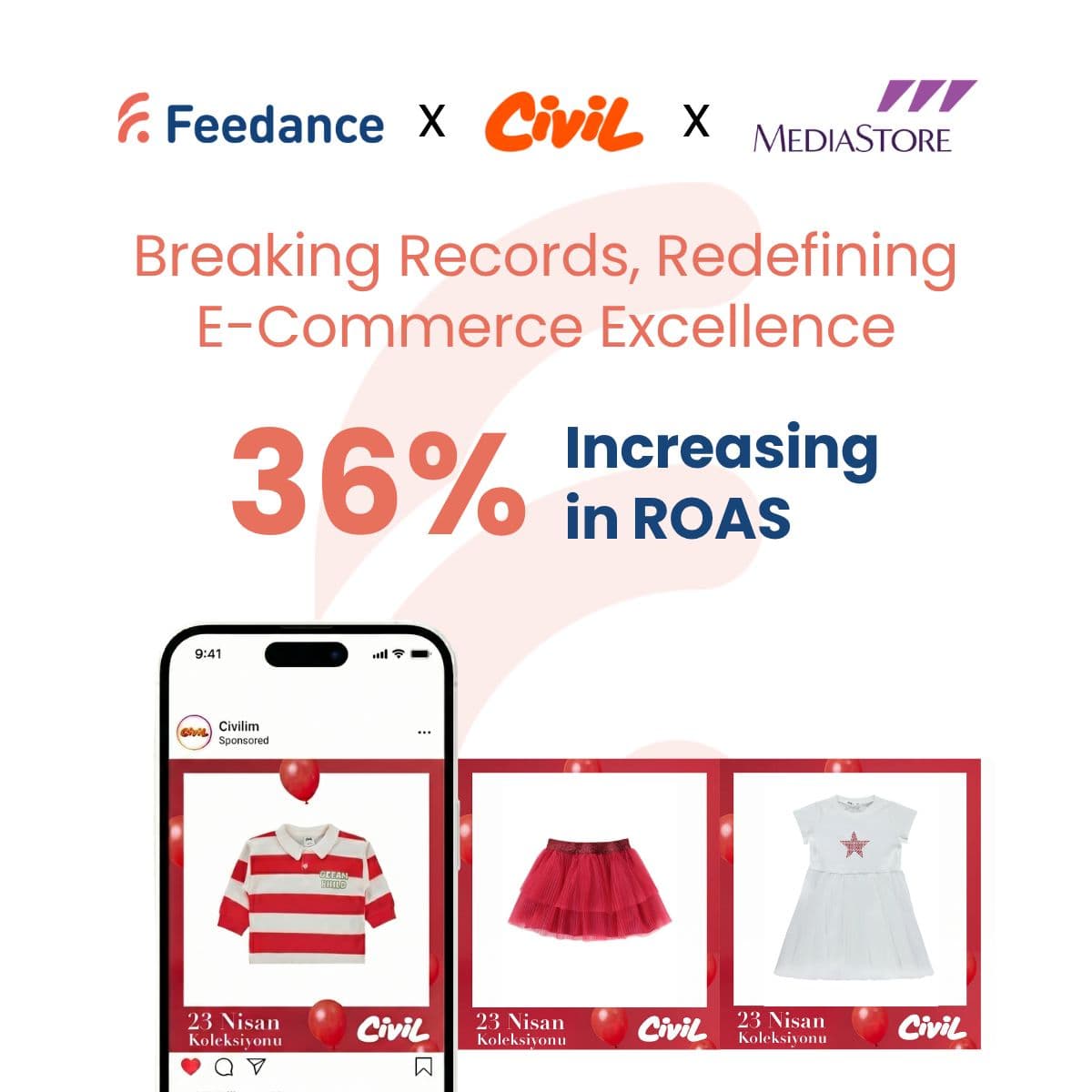


The Feedance AI features is rolling out.
Check it out!

What is Flipkart?

Flipkart

Flipkart is one of India's largest online marketplaces, founded in October 2007 in Bengaluru by Sachin Bansal and Binny Bansal. Since 2018, Flipkart has been majority owned by Walmart, which holds roughly 80% of the company, and the platform today serves customers across categories such as electronics, fashion, home goods, and groceries.

Like many marketplaces, Flipkart operates on a marketplace model rather than holding its own inventory: independent sellers list products, manage stock, and fulfill orders through Flipkart's Seller Hub and Marketplace Seller APIs, while Flipkart provides the storefront, payments processing, and, for many sellers, access to its logistics network.

Why connect Flipkart to Feedance?

Selling on Flipkart alongside other channels means keeping product data, stock levels, and order details in sync without re-entering them by hand in Flipkart's Seller Hub. Feedance connects your existing product catalog to Flipkart so that listings, stock counts, and incoming orders stay aligned with the rest of your sales channels, cutting down on manual admin and reducing the risk of overselling or stale listings.

How does Feedance connect to Flipkart?

Feedance connects directly to your Flipkart seller account using the credentials and permissions your account grants. Once linked, Feedance reads and writes the data needed to keep your catalog, stock, and orders synchronized between your store and Flipkart, without requiring you to build or maintain any integration yourself.

What data does Feedance access from Flipkart?

EntityWhat Feedance does with it
ProductsCreates and updates product listings, including titles, descriptions, pricing, and category attributes.
InventoryKeeps stock counts aligned between your source catalog and your live Flipkart listings.
OrdersRetrieves incoming Flipkart orders so they can be tracked and processed alongside orders from your other channels.

Flipkart-specific considerations worth knowing

  • Flipkart identifies products by a shared catalog identifier known as an FSN (Flipkart Serial Number). When multiple sellers list the same product, your listing is mapped to that shared catalog entry rather than to an independent product page, so some attributes are catalog-wide rather than seller-specific.
  • Every seller account must have verified GSTIN details and at least one registered pickup or dispatch location on file before listings can go live and orders can be fulfilled.
  • Flipkart tracks a procurement/dispatch SLA (the time you commit to having an order ready for pickup) at the listing level, so accurate stock and processing-time information directly affects your seller performance standing.
  • Because multiple sellers can compete to sell the same catalog listing, your price and stock status can affect whether your offer is shown as the featured seller for that product.

How to connect Flipkart with Feedance

  1. In Feedance, choose Flipkart from the list of supported platforms and start a new connection.
  2. Sign in with your Flipkart seller account when prompted and grant Feedance the requested permissions.
  3. Select which store or catalog in Feedance you want to link to your Flipkart seller account.
  4. Review the field mapping Feedance suggests for products, inventory, and orders, and adjust it if needed.
  5. Confirm the connection and let Feedance run its first sync to bring your Flipkart data in line.

How often does your Flipkart data sync?

Once connected, Feedance keeps your Flipkart listings, stock levels, and orders updated on an ongoing automated schedule, with syncs running at regular intervals throughout the day, and you can trigger a manual sync at any time. Because fields like price, stock, and dispatch SLA affect your standing as a Flipkart seller, keeping the sync active and monitoring it is worthwhile.

Common Flipkart connection issues and how to fix them

IssueLikely causeFix
Connection fails to authorizeFlipkart seller account permissions were not fully granted during setupReconnect the Flipkart integration in Feedance and confirm every requested permission is approved during sign-in
Stock levels look out of dateSeller account setup (GSTIN, pickup/dispatch location) is incomplete, or the listing isn't fully live on FlipkartVerify your Flipkart seller account setup is complete, then re-run the sync from Feedance
Orders aren't appearing in FeedanceThe order hasn't synced yet, or it is still in a pending state on FlipkartWait for the next sync cycle or trigger a manual sync, and confirm the order status directly in Flipkart Seller Hub
Some products fail to syncThe listing is missing a Flipkart-required field, such as HSN code or a mandatory category attributeFill in the missing required fields in Feedance's mapping, then resync the product

Flipkart feed optimization tips

  1. Keep mandatory fields like HSN code and category-specific attributes filled in for every product to avoid listings being rejected or suppressed.
  2. Write clear, keyword-rich titles and descriptions that match how Indian shoppers actually search for your products.
  3. Keep stock counts as accurate and current as possible to avoid order cancellations from overselling.
  4. Set a dispatch SLA you can realistically meet, since missed SLAs affect your seller performance rating.
  5. Monitor your pricing against other sellers offering the same catalog listing to stay competitive.

Frequently Asked Questions About Flipkart

  • How does Feedance connect to my Flipkart seller account?

    Feedance connects directly to your Flipkart seller account using the credentials and permissions you grant during setup. Once connected, Feedance reads and writes your product, inventory, and order data to keep it aligned between your store and Flipkart, without you needing to build or manage the integration yourself.

  • What is the most important Flipkart-specific thing to know before connecting?

    Flipkart organizes its catalog around a shared product identifier called an FSN, or Flipkart Serial Number. When more than one seller offers the same product, your listing attaches to that shared catalog entry rather than existing as a fully independent product page, so some attributes are catalog-wide rather than unique to your listing. It's also worth knowing that your seller account needs verified GSTIN details and a registered pickup or dispatch location before listings can go live.

  • What data does Feedance read or update on Flipkart?

    Feedance works with three types of data on Flipkart: products, which covers listing details like titles, descriptions, pricing, and category attributes; inventory, which covers stock counts; and orders, which covers the orders placed by Flipkart customers. Feedance does not access or manage other data such as customer records, coupons, or shipping and tax settings.

  • How do I make sure my Flipkart feed stays current?

    Once your Flipkart connection is set up in Feedance, product, inventory, and order data sync automatically on a regular schedule throughout the day, and you can also run a manual sync whenever you need an immediate update. Keeping the connection active and checking sync status periodically is the best way to make sure your Flipkart listings and stock levels don't fall out of date.

  • Can multiple sellers list the same product on Flipkart, and does that affect my Feedance sync?

    Yes. Flipkart allows multiple sellers to list against the same catalog product (identified by its FSN), each with their own price, stock, and dispatch terms. Feedance syncs your own price and stock data to your specific listing on that shared catalog entry, so your feed stays accurate even when other sellers are also offering the same product.

Schedule your 15-minute demo now

Schedule my demo

We’ll tailor your demo to your immediate needs and answer all your questions. Get ready to see how it works!